Since 1916
From Theatre
To Nightclub
The Palace Nightclub at 24-26 Penel Orlieu is one of Bridgwater’s landmark venues, with a story that stretches from Edwardian theatre and cinema to wartime entertainment, live music and modern nightlife.
A Bridgwater Landmark
The Palace has been part of the town’s story for more than a century.
The building first opened in 1916 as the Empire Theatre, before being renamed the Palace Theatre in 1917. Over the decades it hosted live theatre, pantomimes, films, wartime shows for troops and later became a well-known nightclub.
Today, The Palace continues that entertainment legacy as a nightlife venue in the heart of Bridgwater, carrying forward a name that has been associated with local nights out for generations.
Originally launched as the Empire Theatre.
Became the Palace Theatre under the Albany Ward Circuit.
A historic venue in Bridgwater, Somerset.
Reopened as The Palace Nightclub after years of disuse.
Timeline
The Story Of The Palace
From the Empire Theatre to the Palace Theatre, the Barracks Theatre and today’s nightclub, the building has adapted with Bridgwater’s changing entertainment scene.
The Empire Theatre Opens
The building opened on 8th March 1916 as the Empire Theatre with the play A Pair of Silk Stockings. Designed by Samson & Colthurst in a Moorish-inspired style, it featured a distinctive facade, central tower and cupola.
Inside, the theatre was built for live entertainment, with orchestra stalls, a balcony, stage, dressing rooms and a refreshment lounge above the entrance.
Renamed The Palace Theatre
In 1917, the venue was taken over by the Albany Ward Circuit and renamed the Palace Theatre. It continued to present live theatre, revues and pantomimes, while films were also screened occasionally.
From Stage To Screen
During the 1920s, the Palace became increasingly associated with cinema. It was taken over by the Provincial Cinematograph Theatres chain and later by Gaumont British in 1929.
The Arrival Of The Talkies
In 1930, the Palace Theatre was equipped with a British Acoustic sound system. Its first talking picture was Janet Gaynor in Sunny Side Up, screened on 25th March 1930.
The Theatre Closes
The Palace Theatre closed in 1938 after its licence was revoked due to a lack of emergency exits. The closure marked the end of its first major chapter as a public theatre and cinema.
The Barracks Theatre
When the Second World War began, the building found a new purpose. It was used by the Entertainments National Service Association, better known as E.N.S.A., and became widely known as the Barracks Theatre, entertaining troops during wartime.
Re-Licensed For Films And Plays
After the war, the venue reopened intermittently before being taken over by an independent operator on 24th April 1950. It was re-licensed to show films and present plays, continuing its mixed entertainment role.
The Palace Theatre Closes
The Palace Theatre closed in August 1986. The building then remained largely empty and unused, waiting for the next stage in its story.
The Palace Nightclub Era Begins
The building reopened as The Palace Nightclub in the late 1990s, bringing new life to the former theatre and cinema. Since then, it has become a recognised nightlife venue for Bridgwater and the surrounding Somerset area.
A Refurbished Nightlife Venue
After a major refurbishment, The Palace developed as a regional clubbing destination. The venue has hosted a wide range of acts and nights, including notable live music moments such as Joe Strummer’s final gig with The Mescaleros in 2002.
A Historic Venue Still Entertaining Bridgwater
More than a century after the original theatre opened, The Palace remains part of Bridgwater’s social life. From student nights and weekend events to special club nights, the building continues to do what it was built for: bringing people together for entertainment.
The Dome
A building with character
The Palace is more than just a nightclub. Its theatre origins are still part of its identity, from the scale of the building to the atmosphere created inside. Over time, features such as the dome and the venue’s unusual structure have helped make it one of Bridgwater’s most recognisable entertainment spaces.
Then And Now
The Palace Through The Years
A look at The Palace building across different eras, from its earlier theatre days to its modern life as a Bridgwater nightlife venue.
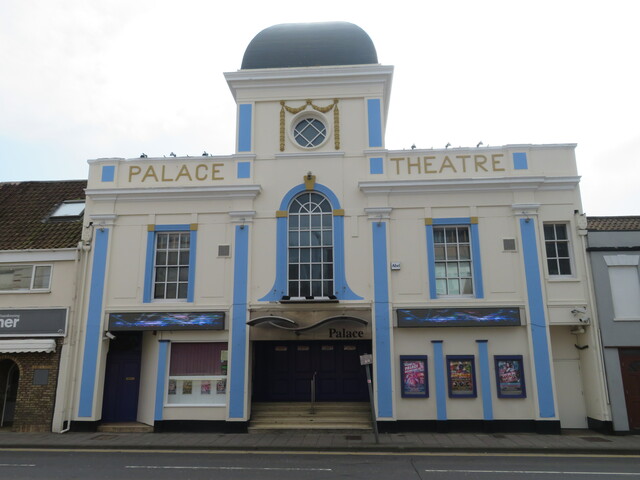
A recent view of the venue at 24-26 Penel Orlieu.
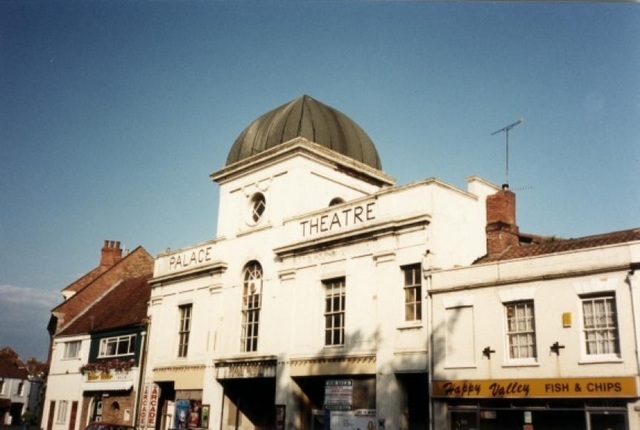
The building continuing its role as a town centre nightlife venue.
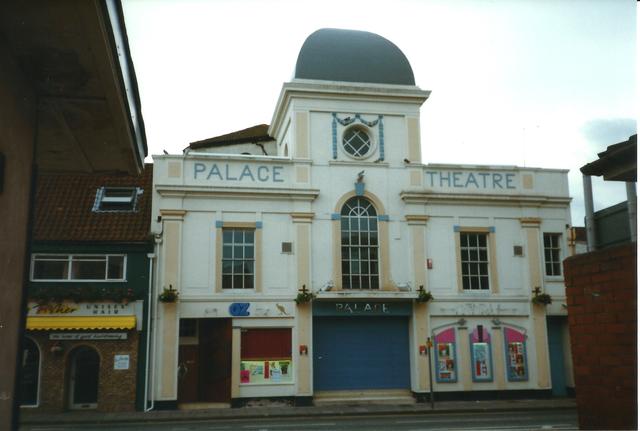
The Palace as part of the town’s evening and weekend scene.
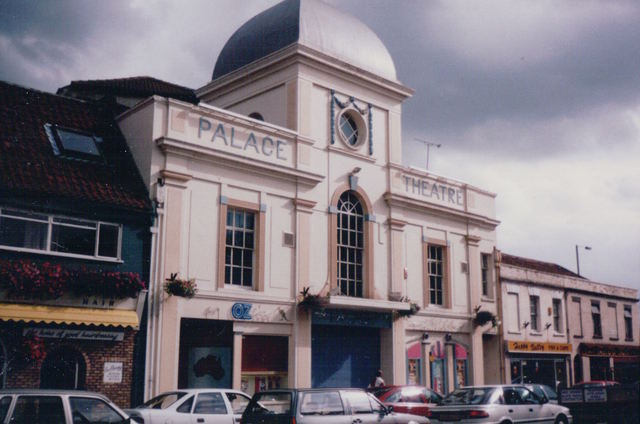
A view from the early years of The Palace Nightclub era.
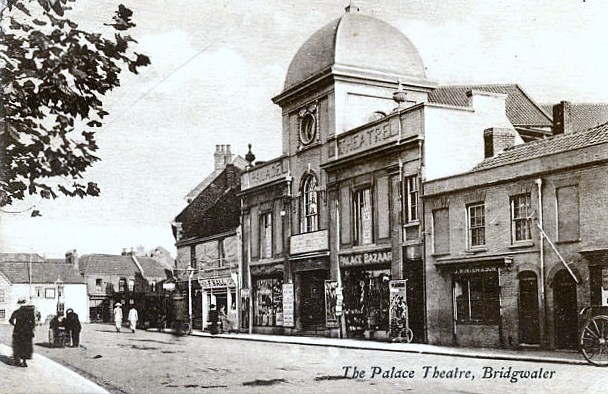
An earlier black-and-white view of the building, showing its long-standing place in Bridgwater’s streetscape.
From audiences to dancefloors
The building has changed with the times, but its purpose has remained surprisingly consistent. Whether people came for a play, a film, a wartime performance, a live act or a night out, The Palace has always been a place for crowds, atmosphere and shared experiences.
That continuity is what makes the venue special. It is not just a converted building; it is a piece of Bridgwater’s entertainment history still being used for entertainment today.
A venue with local memory
For some, The Palace is remembered as a theatre or cinema. For others, it is a nightclub associated with student nights, weekend events, live music and big nights out. Each era has added another layer to the building’s story.
More than 100 years after opening, The Palace continues to stand as one of Bridgwater’s most recognisable venues.
Visit The Palace
Be Part Of The Next Chapter
The Palace has been entertaining Bridgwater since 1916. See what’s coming up next and follow the venue for event announcements, photos and club nights.